Keyboard Case Materials: Aluminum vs Polycarbonate vs Plastic
Updated
The most common keyboard case materials are aluminum, polycarbonate and plastic (ABS), with wood, acrylic, brass and 3D-printed cases at the edges. Aluminum is the premium default: heavy, solid and durable, but the most expensive. Polycarbonate costs less, glows nicely with RGB and sounds softer. Plastic is what budget boards use: light and cheap, but often hollow until you add foam.
Case materials compared
| Material | Weight | Sound | Cost | Good to know |
|---|---|---|---|---|
| Aluminum | Heavy | Solid, can ping if undampened | $$$ | Durable; anodized in many colors |
| Polycarbonate | Medium | Softer, rounder, more muted | $$ | Frosted or clear; shows RGB; scratches more easily |
| Plastic (ABS) | Light | Often hollow without foam | $ | Most budget and prebuilt boards |
| Wood | Medium | Warm, damped | $$ | Looks unique; can be affected by humidity |
| Acrylic | Medium–heavy | Hollow unless dampened | $$ | Often stacked layers; shows off the internals |
| Brass / stainless steel | Very heavy | Dense and solid | $$$$ | Usually used for weights or accents, rarely a whole case |
| 3D printed | Light | Varies by print and filament | $ | Easy to customize; DIY builds |
For how material affects sound specifically, see does keyboard case affect sound.
Aluminum vs plastic keyboard cases
Aluminum is heavier, stiffer and harder to damage. The weight keeps the board planted on your desk and helps it sound solid. CNC-machined aluminum is also what drives the price of most custom keyboards.
Plastic is light and cheap to make, which is why almost every budget board uses it. The trade-off is a thinner, more hollow shell. That's mostly a sound problem, and case foam fixes a lot of it.
Aluminum isn't automatically better-sounding. A thin or undampened aluminum case can ring with a metallic ping that a dampened plastic case doesn't have.
Is polycarbonate a good case material?
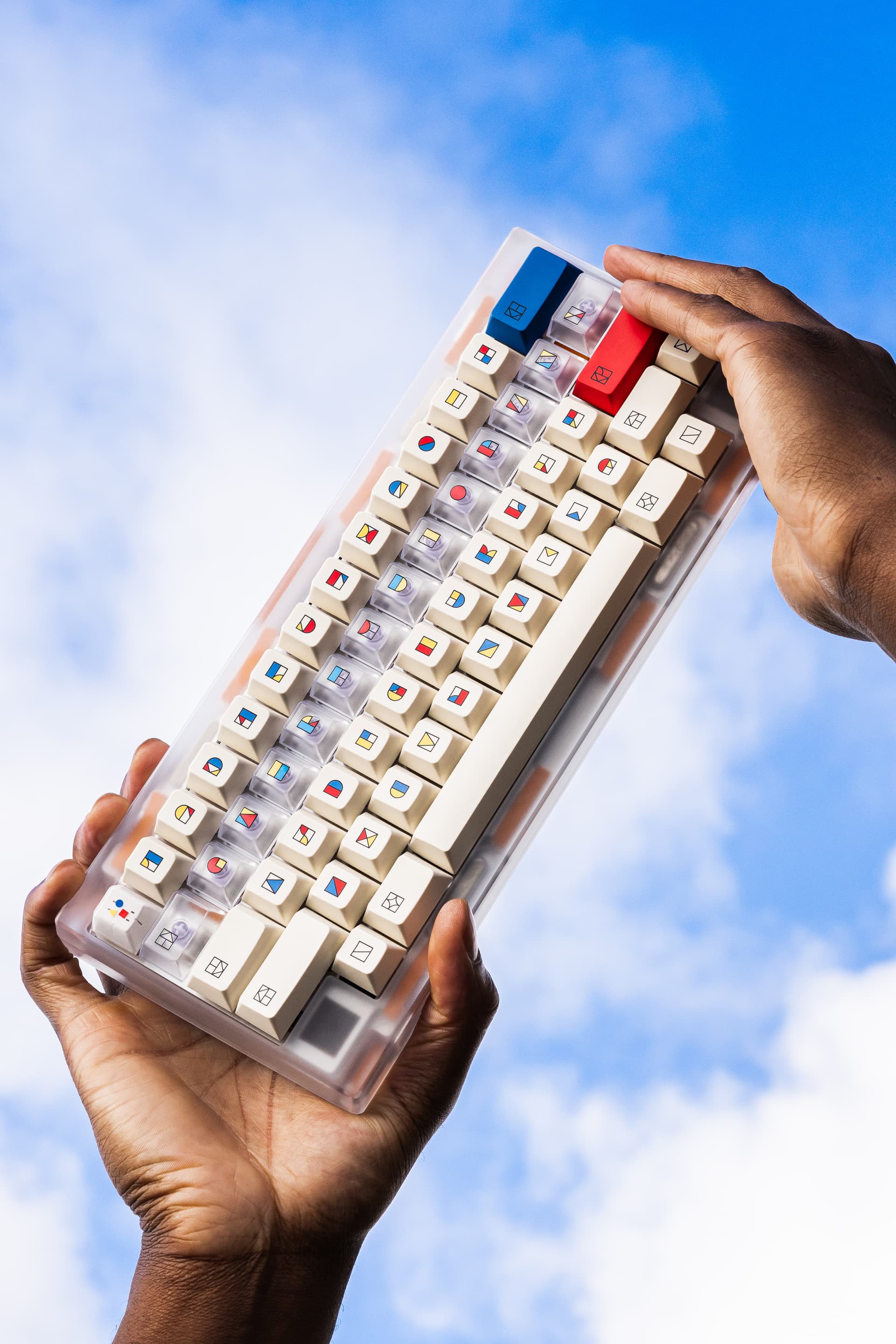
Yes. It's a popular middle ground: cheaper than aluminum, sturdier than ABS, and softer to the ear. Frosted polycarbonate spreads RGB lighting evenly across the case. The downsides are fine scratches and less heft on the desk.
Which case material should you get?
- Want a premium board that lasts? Aluminum.
- Want a softer sound or RGB that glows through the case? Polycarbonate.
- On a budget? Plastic is fine. Add case foam and it will sound far better.
- Want something that looks different? Wood or acrylic.
The case matters less than you might think on its own. Mounting style, plate and foam change the sound just as much. See keyboard mounting styles and plate materials.
Frequently asked questions
What is the best keyboard case material?
There isn't one best material. Aluminum is the most popular premium choice for weight and durability, polycarbonate for a softer sound and RGB, and plastic for budget boards.
Is an aluminum keyboard better than plastic?
It's heavier, sturdier and usually sounds more solid, but it costs more. A plastic board with case foam can sound very good for much less.
Are aluminum keyboards thocky?
They can be, especially heavy, dampened ones. Thock depends just as much on keycaps, plate, mounting and foam, and an undampened aluminum case can ping instead.
Why are aluminum keyboard cases so expensive?
Most are CNC-machined from a solid block of aluminum and then anodized, which takes far more machine time and material than molding plastic.